
In cases where a tooth is too damaged to be saved, we provide safe and comfortable extractions, including surgical removal of wisdom teeth.
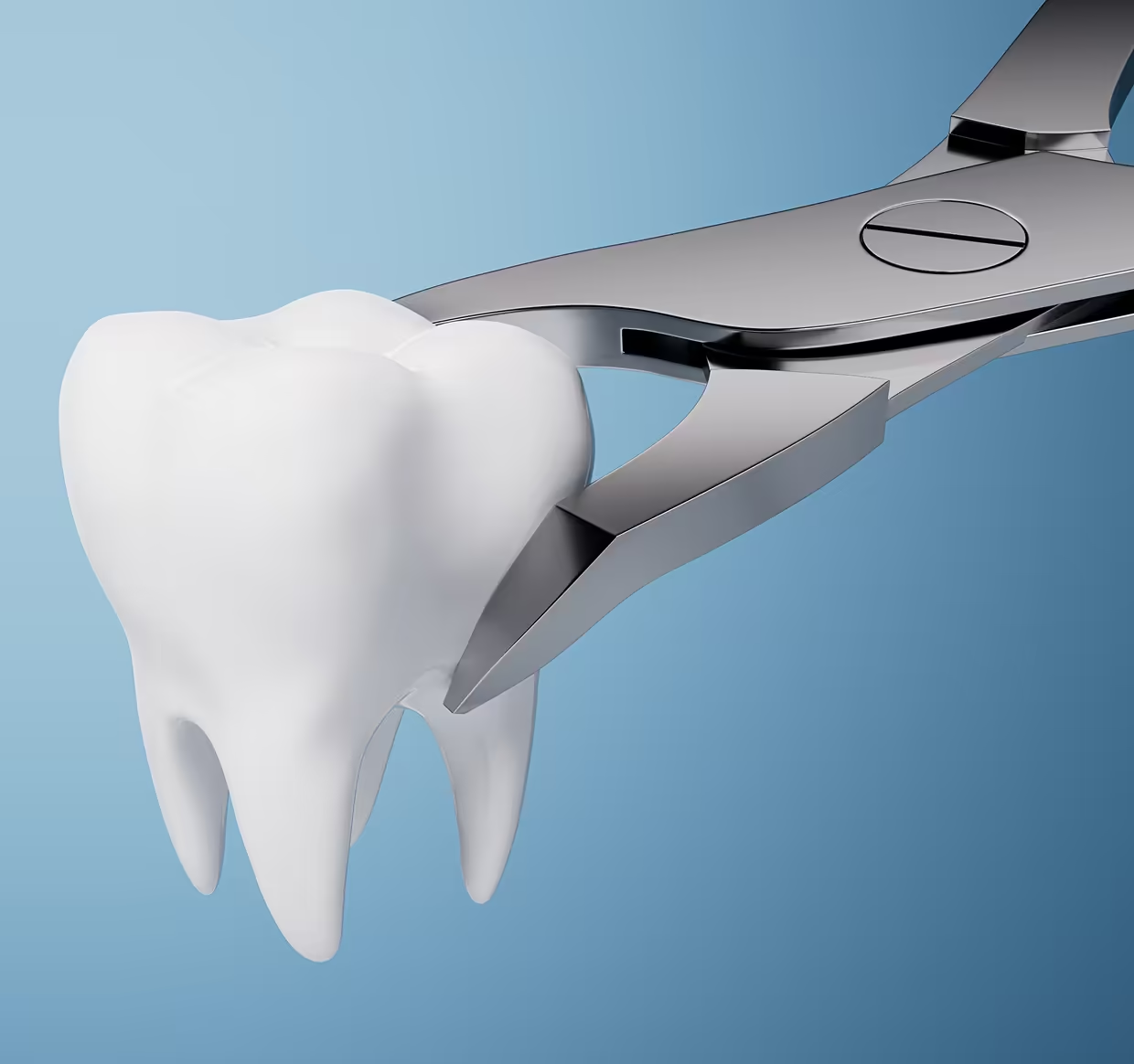
Tooth extraction
Tooth extraction is sometimes the only option, but with modern dentures, implants or bridges, you can quickly restore your smile. When a tooth needs to be removed, rest assured that the treatment will be painless and we can offer you natural-looking replacement options. Our in-house dental technicians can promptly create high-quality restorations.
Reasons for tooth extraction
Tooth extraction is always a last resort when no other restoration option is feasible. The most common reasons for tooth extraction include:
- Severe tooth decay that makes the tooth irreparable
- Advanced gum disease (periodontitis) that has loosened the teeth
- Root fractures that lead to serious infections Large cysts that compromise bone support
- Overcrowding requiring tooth removal (for example, for orthodontic treatment)
- Wisdom teeth that are likely to cause future dental problems
Painless extraction
Our main concern is your comfort, and all extractions are performed under local anaesthesia to ensure a painless experience. We test your level of numbness before we start and, if necessary, you can request breaks. If you experience any discomfort, please let us know immediately.
Wisdom tooth extraction: is it necessary?
Wisdom teeth may require extraction if they cause discomfort, grow tilted, or if there is insufficient space. These teeth are located in the back of the mouth, where cleaning is more challenging, increasing the risk of tooth decay and gum problems. If you experience pain in your wisdom teeth, extraction is often recommended.
Types of extractions
01
Simple extraction (not complicated)
For simple cases, the teeth are carefully loosened and removed using special tools. It is often used for single-root teeth, such as front teeth or upper wisdom teeth.
02
Surgical extraction (complicated)
In cases where the teeth are affected, decayed, or have curved roots, a surgical approach may be necessary. This involves moving the gum tissue laterally, removing the obstructing bone, and carefully sectioning the tooth to facilitate its removal. Most surgical extractions, including the lower wisdom teeth, are completed with small incisions and sutures.
Post-extraction care
Immediately after the draw, follow these guidelines:
- Remove the gauze pack after 30 minutes.
- Take prescribed pain relievers as directed, with a minimum amount of water.
- Avoid eating, drinking, spitting, or rinsing your mouth for three hours.
- Refrain from smoking, alcohol, or strenuous activities for the first 24 hours.
- Consume only soft, cold foods and avoid excessive physical activity on the day of the extraction.
What is alveolitis ('dry socket')?
If the blood clot comes off after extraction, dry alveolitis may develop, resulting in pain due to exposed bone. Contact us if the discomfort intensifies after a few days. We can provide a medicated medication to effectively alleviate the pain.
Tips for after-extraction care
To ensure optimal healing, practice good oral hygiene by gently brushing your teeth around the extraction site. Avoid touching the area, eating hard foods, or using tobacco and alcohol, as they can delay healing and increase discomfort.
Replacement options for missing teeth
There are several solutions to replace missing teeth, including:
- Implants: The most advanced solution for permanent replacement.
- Dentures: Convenient options for multiple missing teeth.
- Dental bridges: To replace one or more adjacent teeth.
Our team is available to discuss the best options for your needs. Contact us to schedule a consultation for more advice on replacement solutions.
Oops! Something went wrong while submitting the form.
Find our clinic
We are at: Via Pico 19, 6900 Lugano - Switzerland

Bus
Take Bus No. 3 to Cassarate, Scuole and walk approximately 3 minutes along Via del Tiglio, or take Bus No. 2 to Cassarate, Monte Brè followed by a 5-minute uphill walk along Via Pico to our clinic.

Bicycle
Bike kiosks are available at Parco Giochi on Via del Tiglio, just around the corner from Alpine Smiles.

Parking
We have two private parking spots directly in front of the clinic. Free blue zone parking is also available on the surrounding streets. The nearest paid car park is Parcheggio Piazza Riscossa.

Ferry
Take the ferry to the Cassarate stop, next to the Grand Hotel Villa Castagnola and the Funicolare Monte Brè. From there follow Via Pico uphill to our clinic.
